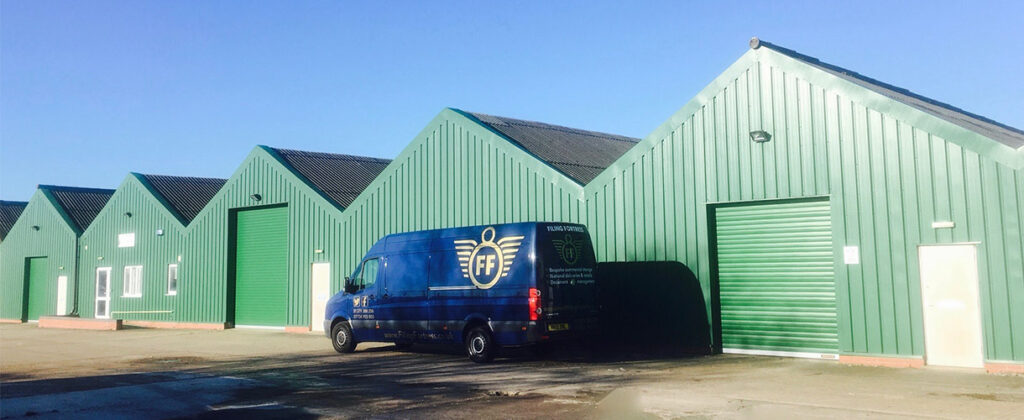
Container storage has become an increasingly popular option for people who need extra space during a house move, renovation, or simply because they’re running out of room at home. It’s often affordable, flexible, and convenient, making it seem an attractive solution for storing furniture and household items.
However, while container storage has its advantages, it’s important to be aware of some of the potential drawbacks before deciding if it’s the right option for your belongings.
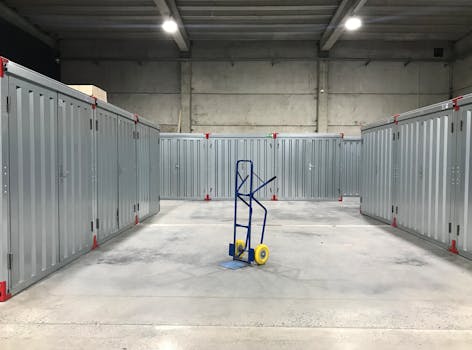
Temperature Extremes Can Cause Damage
One of the biggest disadvantages of container storage is the lack of climate control. Storage containers can become extremely hot during the summer months, reaching temperatures of up to 60°C (144°F) and, during the winter, while containers can withstand freezing temperatures, the metal walls will conduct the cold. These temperature fluctuations can affect certain items, particularly wooden furniture, electronics, musical instruments, and anything made from delicate materials. Over time, excessive heat or cold can cause warping, cracking, or other forms of damage.
Moisture and Condensation Are Common Issues
Because many storage containers are made from metal, they can be prone to condensation when temperatures change. This moisture can build up inside the container and create an environment where mould and mildew thrive. Items such as mattresses, upholstered furniture, clothing, books, and important documents are especially vulnerable to moisture damage. Metal items may also begin to rust if left in damp conditions for extended periods.
Pests Can Still Find Their Way In
Although storage containers are designed to be secure and weather-resistant, they aren’t always completely pest-proof. Rodents and insects can sometimes gain access through small gaps or damaged seals. Once inside, pests can chew through boxes, damage furniture, and contaminate stored belongings.
Access Isn’t Always Convenient
While container storage can be a great space-saving solution, accessing your belongings may not always be straightforward. If you’ve packed the container efficiently, items stored at the back may be difficult to reach without moving several boxes and pieces of furniture first. Some storage providers may also require advance notice before allowing access to your container, which can be inconvenient if you need something urgently.
Security Can Vary Between Providers
Many storage facilities offer excellent security measures, including CCTV, gated access, and on-site staff. However, not all facilities provide the same level of protection. Before choosing a provider, it’s worth checking what security features are in place and whether additional insurance is recommended for valuable possessions.
Poor Packing Can Lead to Damage
Unlike traditional indoor storage units, containers are often transported or moved during the storage process. If furniture and boxes aren’t packed securely, items can shift and become damaged. Taking the time to wrap furniture, use protective covers, and distribute weight evenly can help reduce the risk of scratches, dents, and breakages.
Long-Term Storage May Affect Certain Items
If you’re planning to store belongings for several years, container storage may not always be the best choice. Materials such as wood, leather, and fabric can deteriorate over time if they’re exposed to changing temperatures and humidity levels. Even if items appear fine initially, long-term exposure to less-than-ideal conditions can lead to issues that only become noticeable when you finally unpack them.
If you are looking for storage solutions, give us a call or request a quote to see how we can help, with our dehumidified secure warehouse.